

Entering sober living can feel overwhelming. After years of independence, the idea of living in a structured environment with rules and roommates can be intimidating. Many people arrive at sober living after exhausting other options. Some come because it’s their last alternative to homelessness. Others choose it because they know they need a supportive environment to build a strong foundation for long-term recovery.
Whatever brings you there, sober living can become one of the most meaningful experiences of your life.
Though when it’s first presented to you, it can feel like a daunting and uncomfortable suggestion. After years of doing things our own way, the idea of structure and accountability isn’t always appealing. But for many of us, sober living becomes the place where real change begins.
What Is Sober Living?
Sober living homes are structured, substance-free environments designed to support people in early recovery from addiction. They often serve as a bridge between residential treatment and fully independent living.
In sober living, residents live together in a shared home where everyone is committed to maintaining sobriety. Most homes have house rules, curfews, chores, and expectations that help create structure and accountability. Residents are typically encouraged or required to attend recovery meetings, participate in outpatient programs like Intensive Outpatient Programs (IOP), and work toward rebuilding their lives.
Unlike inpatient treatment, sober living allows residents to begin returning to everyday life. Many people start working, going back to school, or rebuilding relationships with loved ones while still living in a supportive recovery environment.
For many people in recovery, sober living provides something incredibly valuable: time, community, and support while learning how to live sober in the real world.
Why Sober Living Can Be a Life-Changing Opportunity
Sober living homes provide a structured, supportive environment for people transitioning out of treatment or early in recovery. These homes offer accountability, routine, and a community of people who understand what you’re going through.
But beyond structure and sobriety, sober living offers something many adults rarely experience: the opportunity to live in a close-knit community.
When else in adulthood do you get to live with a group of women (or men) from completely different walks of life?
In sober living, you might share a home with someone who just turned 18 and someone else who is retired after a full career. Some residents are parents. Some are rebuilding their lives after incarceration. Some grew up across the country. Some have been through treatment many times, while others are experiencing recovery for the first time.
There’s really no telling who you’ll meet. But almost everyone arrives with the same goal: to build a better life.
My Initial Resistance to Sober Living
Personally, I did not want to go to sober living.
I didn’t want to share a room with anyone. I didn’t want to follow rules. I wanted to do things my way, like I always had.
But the truth was, my way wasn’t working. My way had led me exactly to that point.
For me, the options were simple: homelessness or sober living.
Adjusting to Life in a Sober Living House
Moving in was scary. I didn’t know anyone, and suddenly I was sharing a room with a complete stranger.
What I didn’t realize at the time was that these women would quickly become like sisters to me.
Before long, we fell into a routine together.
Every morning started with morning meditation, which, at 7 AM, was the last thing I wanted to be doing. Then we went to our daily treatment programs like PHP (Partial Hospitalization Program) or IOP (Intensive Outpatient Program).
When we got home in the evening, we had some time to ourselves, but we inevitably spent time together before getting ready to go to a meeting.
Slowly, that routine began to feel normal—and even comforting.
Finding Joy in Recovery
Before sober living, I spent my nights going out to bars and clubs.
Over time, something surprising happened: I started looking forward to going to meetings.
My housemates and I would get ready together. We would do our hair and makeup, share clothes, and laugh before heading out. I never joined a sorority in college, but the sense of sisterhood I experienced in sober living is what I imagine it might have felt like.
The biggest surprise?
Sober living was actually fun.
That was the last thing I expected.

Learning Accountability in Sober Living
Sober living is also a place that teaches accountability.
If you aren’t doing your part, you will be called out. It teaches responsibility and requires everyone to be involved in maintaining the home and supporting one another.
We all had chores and ways that we helped out around the house. These small responsibilities weren’t just about keeping things clean. They were about learning to show up for one another. Recovery teaches you to give instead of take.
But accountability also shows up in deeper ways.
For example, if I lied, the women in the house weren’t going to let me get away with it. Lying was something that had kept me sick for so long. Even though these women had become my best friends and sisters, they couldn’t allow me to continue behaviors that would keep me stuck.
That kind of honesty can be uncomfortable at times, but it’s also one of the things that makes sober living so powerful. You’re surrounded by people who genuinely care about your recovery and aren’t afraid to speak up when something isn’t right.
Rebuilding Our Lives Together
In sober living, we don’t just rebuild our own lives, we get to watch one another rebuild theirs as well.
Living with 5-12 women means you’re never alone. There’s always someone to go to a meeting with, share a meal with, watch TV with, or simply talk with at the end of the day.
Together, we experience so many important “firsts” in recovery.
We watch each other share at a meeting for the first time. We support one another while making amends and repairing relationships with loved ones. We celebrate when someone gets their first job in sobriety.
We also get to witness meaningful milestones like when someone takes a chip at a meeting to celebrate another month or year sober. Those moments feel personal for everyone because we all understand how much work it took to get there.
Eventually, we support one another when it’s time to move out and start the next chapter.
These milestones are incredibly meaningful because we’re surrounded by people who truly understand the journey.
The Unique Relationships You Build in Sober Living
One of the most beautiful parts of sober living is the relationships you form.
You meet people you likely never would have crossed paths with otherwise.
One of my closest friends in sober living was a grandmother in her 60s. Our stories couldn’t have been more different, yet somehow we had experienced many of the same feelings and consequences that brought us into recovery.
She became something like a matriarch of the house. She cared for all of us and offered wisdom and perspective. Many of us would go to her for advice about relationships, life decisions, and navigating recovery.
We learned so much from one another.
The Power of Community and Shared Experiences
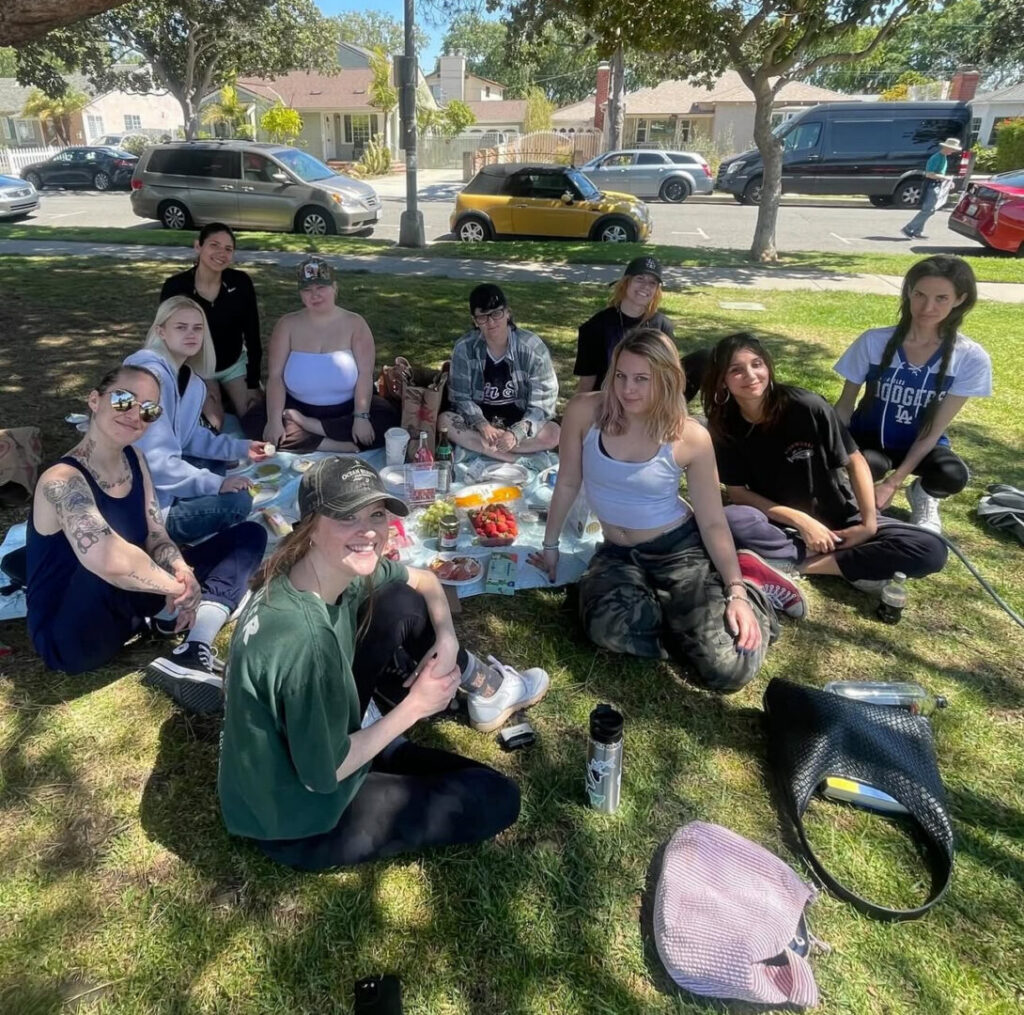
Every Wednesday, our house cooked a family dinner.
When I first entered sober living, I didn’t know how to cook at all. Today, more than three years into sobriety, I feel confident that I could follow and cook almost any recipe.
Wednesday dinners became one of the highlights of the week. It was time set aside for us to cook together, share a meal, and bond.
It wasn’t just about food, it was about building relationships and creating new memories in sobriety.
Leaving Sober Living: A Bittersweet Goodbye
Eventually the time comes when it’s time to leave sober living and step into independence again.
When that moment arrives, it can feel surprisingly emotional. Of course there’s excitement for the next chapter, but there’s also sadness about leaving the house and the people you shared such an important experience with.
You know you’ll stay in touch, and maybe you won’t even live far away. But it’s just not the same when you can’t walk down the hall to someone’s room anymore.
Carrying the Experience Forward
Luckily for me, when it was time to move out, I was able to get my own place with two of my close friends from sober living.
We all came into the house broken and disheveled in our own ways. Leaving together as stronger women was incredibly beautiful.
Together we created a new home. A sober environment that continued to support healing as we stepped back into independence.
Looking back now, sober living wasn’t just a place I stayed during early recovery.
It was the place where I learned how to live again.
Considering Sober Living?
If you or someone you love is considering sober living, it’s normal to feel hesitant.
The idea of living with strangers, following rules, and starting over can feel intimidating.
But sober living is often where some of the most meaningful parts of recovery begin. It’s where people learn how to live sober in everyday life. It’s where accountability, structure, and community come together to create real change.
And for many people, it’s where lifelong friendships are formed.
Sometimes the place that feels unfamiliar at first becomes the place that helps you find yourself again.
Common Questions About Sober Living
How long do people stay in sober living?
Most people stay anywhere from a few months to a year, depending on their recovery goals and personal situation.
Do sober living homes have rules?
Yes. Most sober living homes have house rules, curfews, chores, and expectations that help maintain structure and accountability.
Can you work while living in sober living?
Yes. Many residents work, attend school, or participate in outpatient treatment programs while living in sober housing.Is sober living required after treatment?
Not always, but many treatment professionals recommend sober living because it provides a supportive environment during early recovery.